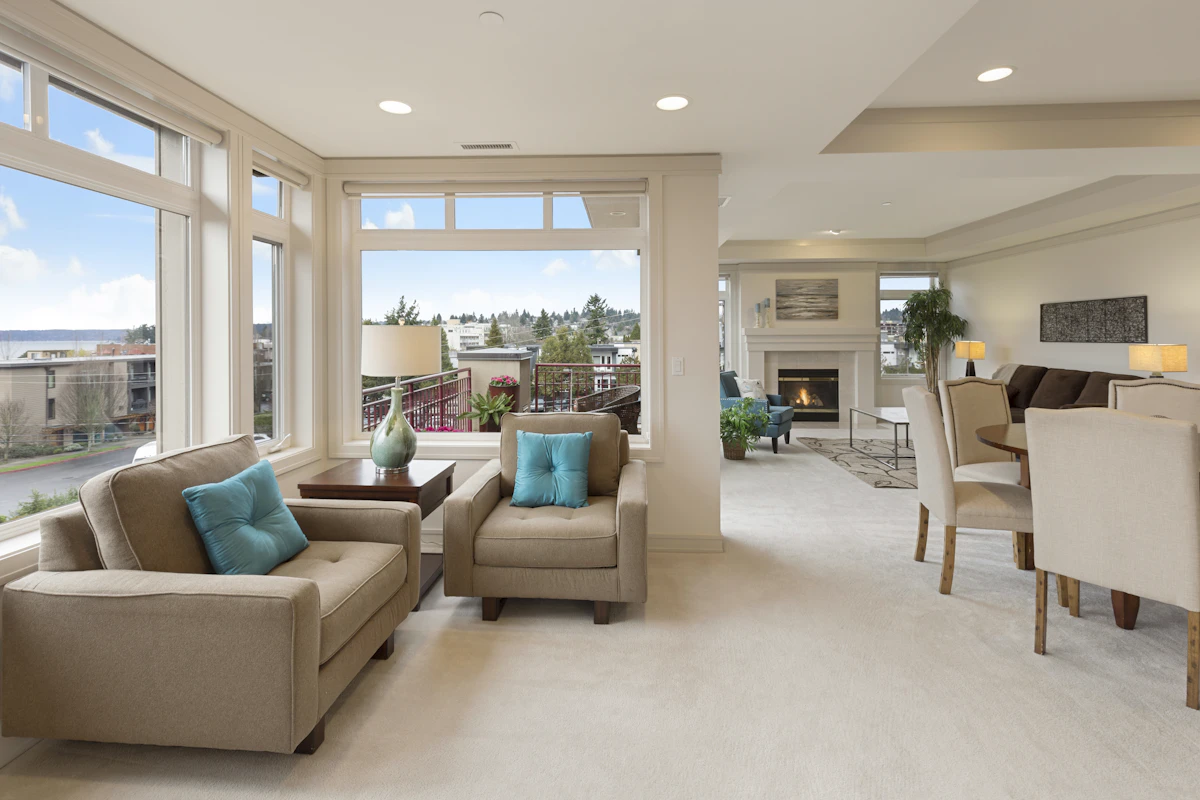
Warm minimalism has become one of the most useful directions in hotel room design because it solves two problems at once. Guests want rooms that feel calm and uncluttered, but they do not want spaces that feel cold, empty, or copied from a catalogue. The difference usually comes from furniture choices: the scale of a headboard, the tone of wood veneer, the softness of a lounge chair, and the way storage is integrated without shouting for attention.
The foundation of the look is restraint. A warm minimalist room does not need many pieces, but every piece should have a clear reason to exist. The bed, bedside tables, desk, luggage bench, wardrobe, and occasional chair form the core set. Instead of adding decorative furniture, designers can create richness through proportion and material. A thick floating nightstand, a softly radiused desk edge, or a fabric panel behind the bed gives the room character while keeping the floor plan open.
Wood tone is one of the quickest ways to make minimalism feel hospitable. Pale oak, ash, walnut, and warm engineered veneers all work when they are consistent across fixed and loose furniture. Problems appear when the headboard, desk, and wardrobe each use a different undertone. Before production, review samples in the same lighting temperature used in the room. A veneer that looks balanced in daylight can become orange under warm LED strips, while a gray-brown finish may turn flat in a north-facing room.
Upholstery should bring comfort without visual clutter. For guest rooms, a lounge chair with a compact footprint often works better than an oversized armchair. Seat depth, arm height, and cleaning access matter because hotel furniture must serve many users. Boucle and heavy texture can look inviting, but housekeeping teams may prefer tighter weaves in rooms with high turnover. The ideal fabric is tactile enough to soften the design and practical enough to maintain.
Collaboration also shapes the final result. When a design team works with a contract furniture manufacturer, drawings should include not only overall dimensions but also edge radius, veneer direction, handle details, cable holes, and wall clearances. Minimal rooms leave fewer places to hide mistakes. A misaligned joint or bulky drawer gap becomes more noticeable when the rest of the space is quiet.
Storage is another area where warm minimalism succeeds or fails. Guests need places for luggage, shoes, devices, and hanging clothes. If storage is too hidden, the room becomes inconvenient; if it is too exposed, the calm effect disappears. Open shelves can be useful near the entry, while closed wardrobes keep the sleeping area clean. A luggage bench with a lower shelf is a simple piece that prevents suitcases from damaging desks or beds.
Lighting integration should be discussed early with the furniture package. Headboards may need channels for reading lights, switches, or concealed LED strips. Desks may need power access that does not interrupt the surface. Bedside tables should account for charging habits without becoming a nest of visible wires. These decisions affect construction, not just styling, so they belong in the furniture specification stage rather than the final installation week.
The most successful warm minimalist rooms feel easy for guests and efficient for operators. They use fewer shapes, better materials, and clearer details. They make maintenance realistic and photography attractive. Instead of chasing emptiness, the style asks each furniture element to contribute comfort, order, and durability. That is why it continues to appear in boutique hotels, serviced apartments, and renovated business properties: it is not just a look, but a practical design language.
Another reason warm minimalism works well for hotels is that it photographs honestly. Many highly decorative rooms depend on styling props, but a room built around proportion, material, and light can look complete even when it is clean and ready for the next guest. This is helpful for booking platforms because guests compare rooms quickly. A calm headboard wall, a balanced desk area, and a comfortable chair near the window can communicate quality without making the room appear crowded.
Designers should also think about how the concept extends beyond the guest room. Corridor console tables, lift lobby benches, and small lounge settings can repeat the same wood tone or upholstery language without copying every detail. This creates a property-wide identity that feels considered. The key is moderation: one repeated curve, one consistent finish family, or one upholstery texture is usually enough. Warm minimalism becomes strongest when it is disciplined, tactile, and easy for the operations team to maintain.
Procurement teams can support the style by limiting unnecessary variations. Too many special sizes and finishes make production harder and future replacement slower. A better method is to standardize core items, then allow a few controlled accents such as a feature chair fabric or a distinctive desk handle. This keeps the hotel visually calm while still giving each room category a sense of difference. Warm minimalism should feel personal, but it should also be practical enough for repeated rooms and long-term maintenance.