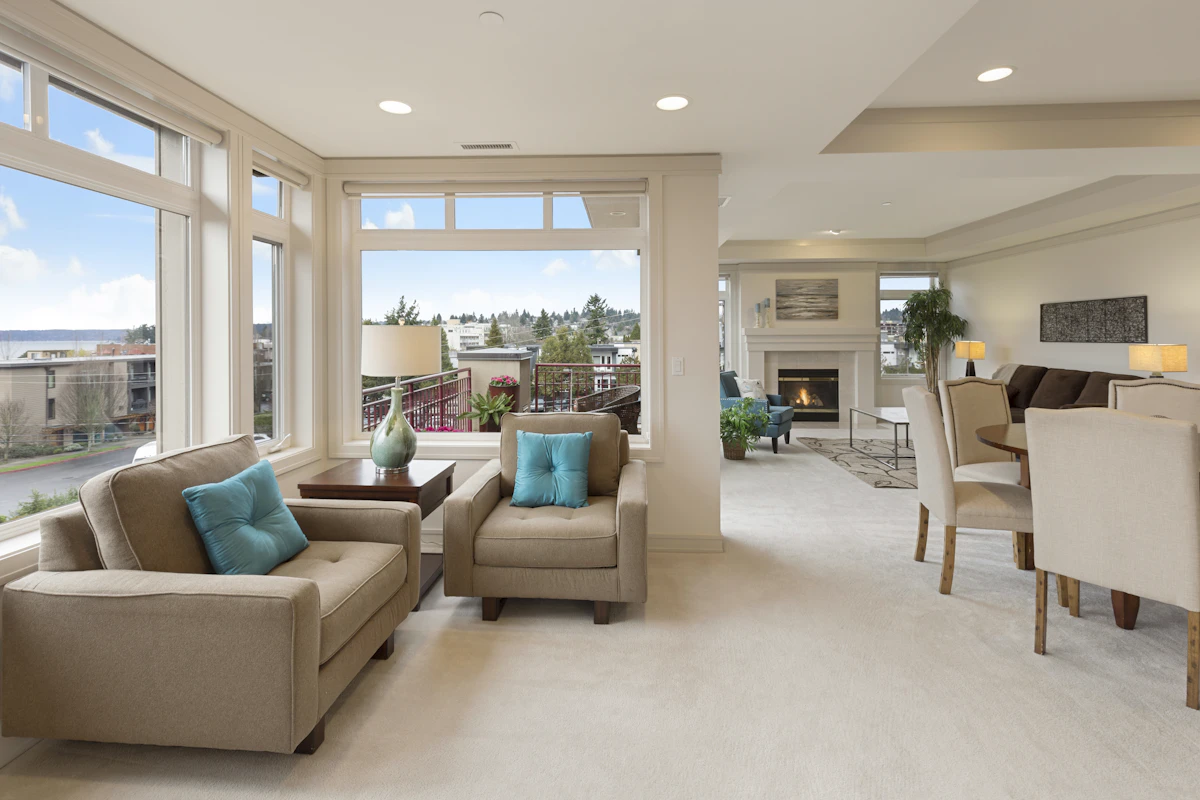
Boutique hotels are moving away from the idea that every lobby must look like a polished waiting room. Guests now expect spaces that feel local, layered, and comfortable enough for work, coffee, and casual meetings. This shift has changed how designers select furniture. The trend is not simply toward softer shapes or warmer colors; it is toward pieces that can support many small behaviors throughout the day without losing a clear design identity.
One visible change is the return of residential comfort in commercial forms. Lounge chairs have fuller cushions, sofas use deeper seats, and occasional tables are arranged in clusters rather than rigid rows. However, hospitality furniture cannot be chosen exactly like home furniture. It still needs stronger frames, easy-clean upholstery, contract-grade foam, and finishes that survive luggage, cleaning carts, and constant movement. The best boutique spaces hide this durability inside relaxed proportions and tactile materials.
Natural textures continue to matter, especially when a hotel wants a sense of place. Oak, ash, walnut veneer, rattan details, boucle fabrics, and stone-look tops all help soften public areas. Designers are also combining materials more carefully: a wood armchair with a metal stretcher, a stone table with a rounded timber base, or a banquette with a woven back panel. These combinations create visual depth without making the space look overdecorated.
Modularity is another trend with practical value. A lobby may host breakfast overflow in the morning, remote workers in the afternoon, and a cocktail crowd at night. Lightweight lounge chairs, small movable tables, and sectional sofas allow staff to adapt the room. For this reason, furniture should be specified with glides, stable bases, and fabrics that look good from every angle. A piece that is moved often must be finished on the back and underside as carefully as the front.
Color is becoming more confident but still controlled. Instead of using one bright accent chair as a statement, many designers build a palette from muted terracotta, olive, deep blue, sand, and warm gray. These colors photograph well and age better than overly trendy tones. When the architecture is simple, furniture can provide the emotional temperature of the room. When the architecture is already expressive, quieter furniture lets guests focus on the setting.
For owners comparing suppliers, visiting the catalog of a hotel furniture factory can be a useful way to study how lounge seating, dining chairs, and casegoods are organized for project use. Even if the final design is customized, existing collections reveal construction logic, finish options, and proportion ranges. This helps the design team decide which ideas are ready for production and which need engineering support before purchase orders are issued.
Sustainability is also influencing hospitality specifications. Many hotels now ask about replaceable cushions, repairable finishes, responsibly sourced timber, and packaging reduction. The most practical sustainable furniture is not always the one with the loudest label. It is often the piece that can be refinished, reupholstered, or reordered in matching batches after several years. Designers should ask whether a supplier can keep finish records and repeat items for future room refreshes.
The most successful boutique hotel furniture feels personal but works hard. It gives guests choices: a quiet chair by a window, a communal table with power access, a curved sofa for conversation, or a compact perch near reception. Trends will continue to change, but this human-centered approach is likely to remain. When furniture supports real guest behavior, the lobby becomes more than a visual introduction. It becomes a living part of the hotel experience.
Before signing off, teams should document the decision trail. A simple folder with finish references, marked drawings, approval photos, and cleaning notes prevents confusion when staff changes or a second phase begins. Furniture projects often last longer than the people managing them, so records need to be understandable without a long explanation. This habit also helps future maintenance teams order the right parts instead of replacing complete pieces unnecessarily.
Budget reviews should compare value rather than trimming details blindly. Removing a stretcher, changing foam, or choosing a cheaper fabric may save money at purchase but create visible wear sooner. A better approach is to protect the details that affect structure and daily use, then simplify decorative elements that do not change performance. This keeps the project honest: attractive enough for the brand, strong enough for the setting, and realistic for the operator.
Finally, schedule decisions with production lead time in mind. Custom finishes, imported fabrics, unusual hardware, and complex curves all require earlier approval than standard items. When the furniture calendar is connected to construction, shipping, and installation, the project team can avoid rushed substitutions. Good furniture planning is rarely dramatic; it is a series of clear choices made early enough for suppliers to execute them well.
The final review should include the people who will operate the space, not only the people who designed it. Housekeeping, servers, installers, property managers, and purchasing staff all notice different risks. Their comments can reveal whether a chair is too heavy to move, a table base is hard to clean around, or a fabric choice will create avoidable service issues. When this feedback is gathered before production, the project keeps its design character while becoming easier to live with every day.
Leave a Reply