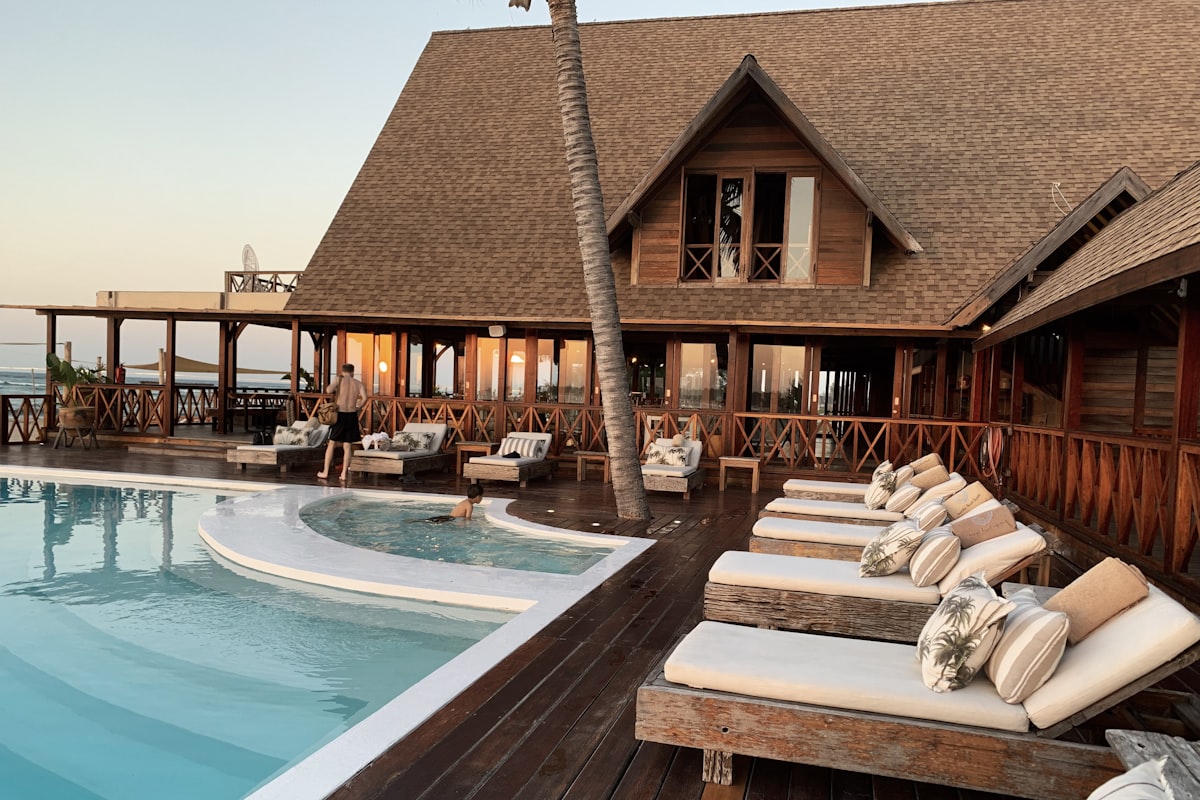
Hotel interiors are moving away from cold minimalism and toward spaces that feel personal, layered, and easy to maintain. The most successful properties are not choosing furniture only for a photo shoot. They are looking for pieces that create comfort, support operations, and keep renovation cycles under control. For designers and owners, the trend is less about one fashionable shape and more about balancing guest emotion with practical durability.
One visible change is the return of warmer materials. Wood tones, textured fabrics, woven panels, and soft neutral palettes are replacing flat gray schemes. Guests increasingly expect a room to feel calm rather than anonymous. Light oak, walnut, ash, and natural-looking laminates can bring warmth without making a space feel heavy. In public areas, these finishes work well with stone, metal, and greenery to create a relaxed hospitality atmosphere.
Another trend is residential comfort in commercial-grade construction. Lounge chairs look more like something from a private living room, but the frame, foam, and upholstery still need to meet hotel demands. Rounded arms, deeper seats, and softer silhouettes can make lobbies feel inviting, while hidden reinforcements and contract fabrics keep the furniture suitable for high traffic. This is where specification discipline matters: the visual mood may be residential, but the performance standard is not.
Flexible lobby planning is also influencing furniture choices. Hotels now use lobbies for check-in, co-working, informal meetings, coffee service, and waiting. Instead of one large seating group, many properties create several zones with different heights and privacy levels. A mix of lounge chairs, banquettes, small tables, communal work counters, and movable stools allows staff to adapt the space throughout the day. Furniture that can be rearranged without looking temporary gives the property more value from the same square footage.
Guest rooms are becoming more compact in many urban markets, so furniture must do more with less. Floating desks, integrated luggage benches, slim nightstands, and storage beds help preserve circulation. Designers are paying close attention to corner radiuses, drawer pulls, and wall-mounted elements because small rooms leave little room for awkward details. A desk that is two inches too deep can make a room feel cramped, while a well-proportioned console can support both work and personal items.
Durability is still central, but it is being expressed in quieter ways. Instead of obvious heavy-duty furniture, buyers are asking for finishes that resist scratches, fabrics that clean easily, and edges that age gracefully. Performance fabrics are now available in textures that look sophisticated rather than institutional. Powder-coated metal, high-pressure laminate, engineered veneer, and protected stone tops can all support a refined design when specified carefully.
Sustainability has become part of the conversation as well. Hotels are asking about materials, packaging, replacement parts, and the expected life of each piece. The greenest chair is often the one that does not need to be replaced early. Modular components, replaceable cushions, and finishes that can be repaired on site can reduce waste and long-term cost. Designers should ask suppliers how a product will be maintained after the opening celebration is over.
Brand storytelling is another reason custom and semi-custom furniture remain important. Boutique hotels may use furniture to reflect local craft, while larger brands may need consistent details across many properties. A headboard profile, metal leg shape, or signature lounge chair can become part of the guest memory. Working directly with a hotel furniture factory can help translate these brand details into repeatable production, especially when multiple room types or phases are involved.
Technology integration is now expected but should not dominate the design. Power access, cable routing, lighting, and charging points must be convenient without making the room look like an office supply catalog. Nightstands, desks, and lobby tables need clean solutions for devices. The best integrations are almost invisible: guests notice that everything works, not that the furniture is trying too hard.
In the year ahead, hotel furniture will continue to reward thoughtful specification. Warmth, flexibility, durability, sustainability, and brand identity are not separate goals. They work together when the furniture plan begins with how guests and staff actually use the space. A trend is useful only when it improves the daily experience, and the strongest hotel interiors are those that remain comfortable long after the first photographs are taken.
Procurement teams are also asking for furniture packages that support faster room turnover between renovation phases. This means fewer fragile decorative details, clearer installation instructions, and components that housekeeping or maintenance teams can understand quickly. A headboard with replaceable panels, a lounge chair with removable seat cushions, or a desk with accessible cable management can save time after opening. These operational details rarely appear in mood boards, but they strongly influence how well a hotel design performs during the second and third year of daily use.
Designers should also review how furniture choices affect staff training. When pieces share similar hardware, cleaning methods, and replacement parts, hotel teams can maintain them with fewer mistakes. Consistency does not mean every room must look identical; it means the operational logic is clear behind the scenes. A warm and memorable interior becomes more valuable when the property can keep it looking fresh without complicated daily procedures.
Leave a Reply