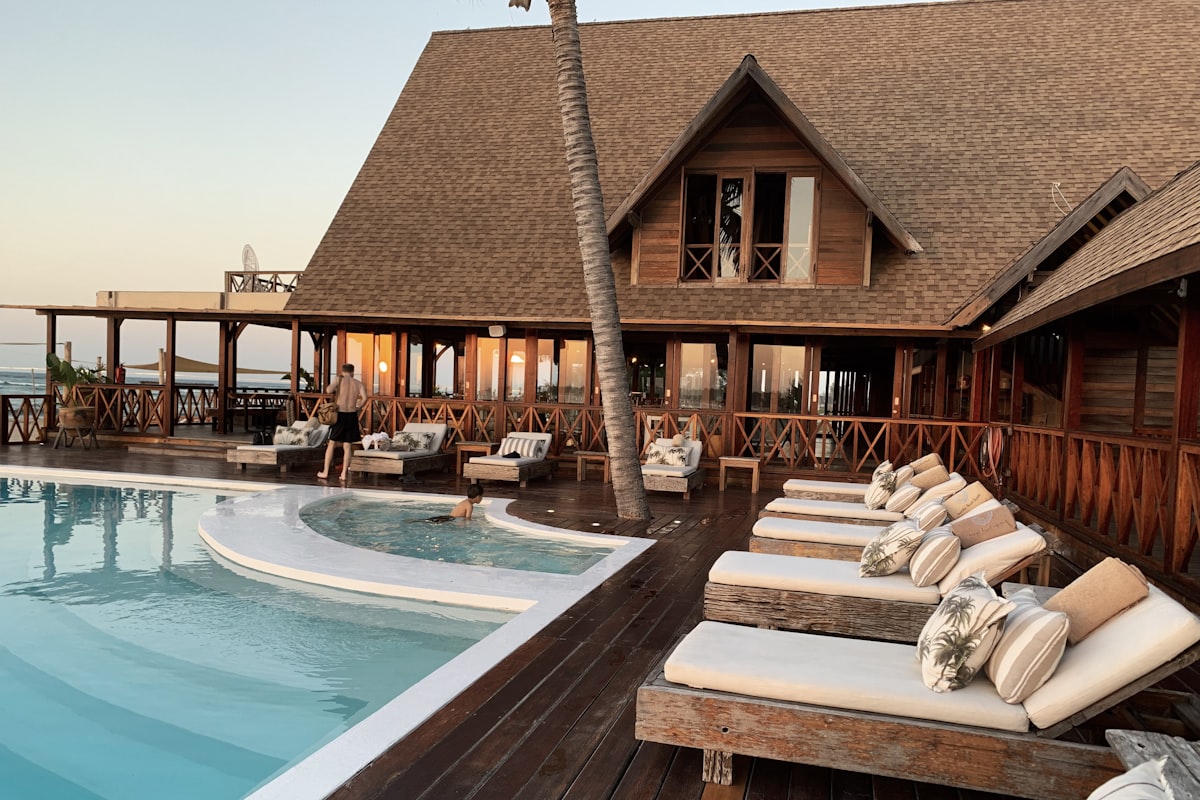
Hotel interiors are moving away from cold luxury and toward spaces that feel lived-in, local, and calm. Guests still expect polished service, but they also want texture, comfort, and a sense that the lobby or guestroom belongs to its location. For owners and designers, the challenge is to create warmth without losing the operational discipline that keeps a hotel profitable.
Furniture has a major role in that balance. It shapes the first impression, guides circulation, supports staff routines, and absorbs daily wear. The following trends are not about chasing novelty. They are about choosing pieces that make hospitality spaces more welcoming and easier to manage.
Residential comfort in public areas
Lobbies are becoming more like shared living rooms. Instead of rows of identical chairs, many hotels now combine lounge chairs, sofas, benches, writing tables, and small dining-height surfaces. This gives guests choices: a quiet corner for calls, a soft seat for waiting, or a table for opening a laptop.
The best layouts still respect operations. Seating should not block luggage movement, and tables should be stable enough for drinks and devices. Upholstery should feel soft but clean easily. Loose cushions can add comfort, but they need construction that prevents constant reshaping by staff.
Natural materials with commercial specifications
Wood, rattan looks, stone textures, and woven fabrics are popular because they soften the visual experience. However, hotel versions of these materials need stronger specifications than residential pieces. Veneers should be protected, chair frames should handle repeated use, and textured fabrics should meet abrasion and cleaning requirements.
Design teams often get the best result by using natural materials in controlled ways. A timber coffee table, leather-look accent chair, or stone-top console can add richness without making every surface difficult to maintain.
Guestroom furniture that supports flexible routines
The classic guestroom desk is being reconsidered. Some travelers still work for hours, while others only need a landing place for a phone, bag, or room-service tray. Many hotels now use compact work tables, movable stools, and integrated power access to support different guest habits.
Nightstands are also doing more. A good nightstand may include cable management, a shelf for personal items, and a durable top surface for water glasses. Wardrobes and luggage benches should be intuitive, because guests do not want to learn a complicated storage system during a short stay.
Color palettes that age gracefully
Warm neutrals, muted greens, clay tones, deep blues, and soft charcoal are replacing stark gray schemes. These colors photograph well and can make spaces feel calm. More importantly, they can age gracefully when paired with quality materials.
For large projects, avoid making every item trendy. A few expressive pieces can set the mood, while core furniture should remain flexible enough to survive future refresh cycles. A dependable hotel furniture factory can help translate a design direction into repeatable pieces that suit rooms, suites, corridors, and public zones.
Sustainability expressed through longevity
Guests increasingly notice sustainability claims, but furniture sustainability is not only about a label. Long service life, repairable components, responsible material choices, and reduced replacement waste are equally important. A chair that lasts eight years with minor maintenance is often more sustainable than a fashionable piece replaced after two seasons.
Ask suppliers about material origin, finish safety, packaging reduction, and spare parts. If a project can reuse existing furniture frames with new upholstery or finish updates, that may also reduce waste while keeping the design fresh.
Back-of-house thinking for front-of-house beauty
Beautiful furniture must still work for housekeeping, engineering, and food-and-beverage teams. Can staff move a table safely? Are chair glides easy to replace? Will the base scratch flooring? Can the upholstery be cleaned between guest cycles? These practical questions should be part of the design review rather than an afterthought.
Hotels that combine warmth with operational discipline create interiors that guests enjoy and teams can maintain. The result is not merely a trend-driven space. It is a hospitality environment that feels human, performs under pressure, and remains attractive long after the opening photos are taken.
Local character without fragile details
Another trend is the search for local character. Designers may reference regional craft, landscape colors, or traditional patterns. The key is to interpret those references in a durable way. A carved detail that breaks easily, a delicate woven panel in a luggage-heavy corridor, or a pale fabric in a busy breakfast area can create maintenance problems even if the story is attractive.
Hotels can express place through proportion, color, artwork, timber tone, or a small number of signature pieces while keeping the main furniture robust. This approach gives guests a memorable atmosphere and gives operators a realistic path for cleaning, repair, and future refresh work.
For procurement teams, the safest approach is to review trend choices through lifecycle cost. If a chair, table, or headboard can be cleaned quickly, repaired with available parts, and reordered in the same finish, it supports both design quality and long-term brand consistency.
This is why mock-up rooms and operational feedback remain valuable. A housekeeping supervisor, engineer, or food-and-beverage manager may notice details that are invisible in a presentation deck but important during daily service.
Leave a Reply